People remember how a brand makes them feel. A good product matters.
But a great customer experience often makes the difference between a one-time buyer and a loyal customer. Personalization helps improve that experience in many small ways.
For example:
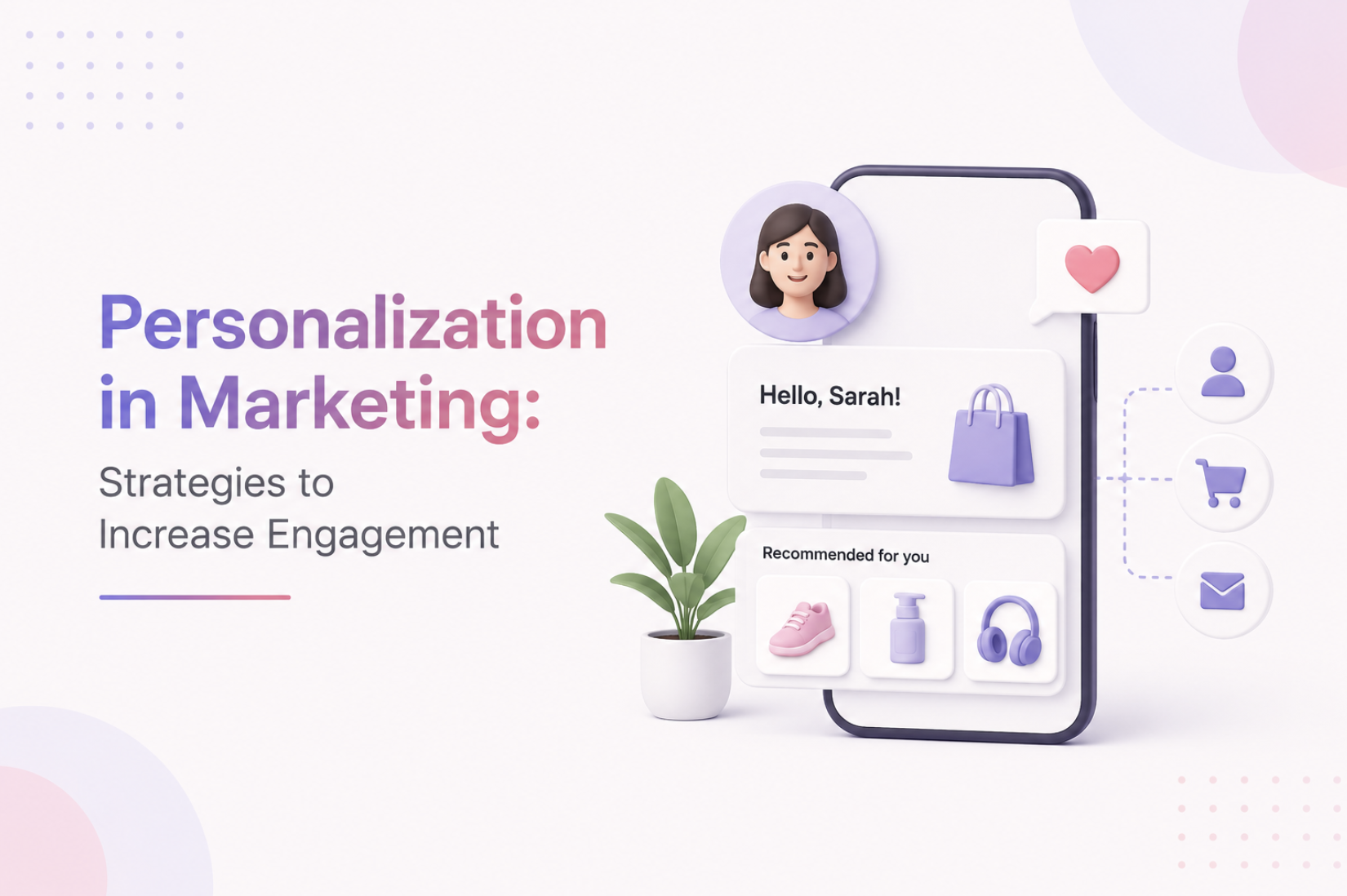
- Recommending products based on previous purchases
- Remembering customer preferences
- Sending helpful follow-up emails
- Showing relevant website content
- Offering support based on recent activity
None of these actions feel pushy. Instead, they make customers feel understood.
When businesses remove unnecessary effort and make every interaction easier, customers are more likely to return.
Personalization Across Different Marketing Channels
Personalization isn't limited to one platform.
It works across almost every marketing channel.
Website Personalization
- Show product recommendations based on browsing history.
- Display relevant offers to returning visitors.
- Recommend related articles based on what someone has already read.
Social Media
Different audience groups enjoy different types of content.
By understanding your audience, you can create posts that match their interests instead of sharing the same message with everyone.
Email Marketing
Instead of sending one email to your entire mailing list, create different emails for different customer segments.
For example:
- New subscribers
- Existing customers
- Inactive customers
- Frequent buyers
Each group has different needs.
Your communication should reflect that.
Paid Advertising
Modern advertising platforms allow businesses to show different advertisements based on customer interests and behaviour.
This helps improve relevance and reduces wasted advertising spend.
Common Personalization Mistakes to Avoid
Personalization can improve marketing, but only when it's done thoughtfully.
Here are a few common mistakes businesses should avoid.
Collecting Too Much Information
- Customers appreciate personalization.
- But they also value their privacy.
- Only collect information that's necessary and always be transparent about how it's being used.
- Trust is more valuable than data.
Over-Personalizing
- Sometimes businesses try too hard.
- For example, mentioning every product someone has viewed can feel uncomfortable.
- Personalization should feel helpful, not intrusive.
- The goal is to improve the customer experience, not make people feel like they're constantly being watched.
Ignoring Customer Preferences
- Not everyone wants the same type of communication.
- Some people prefer emails.
- Others prefer text messages or social media updates.
- Give customers the option to choose how they'd like to hear from you.
- Respecting those preferences helps build stronger relationships.
Forgetting to Test
No personalization strategy is perfect from the beginning.
Keep testing different:
- Email subject lines
- Product recommendations
- Landing pages
- Calls to action
- Content formats
Small improvements often lead to better engagement over time.




.avif)



.avif)